
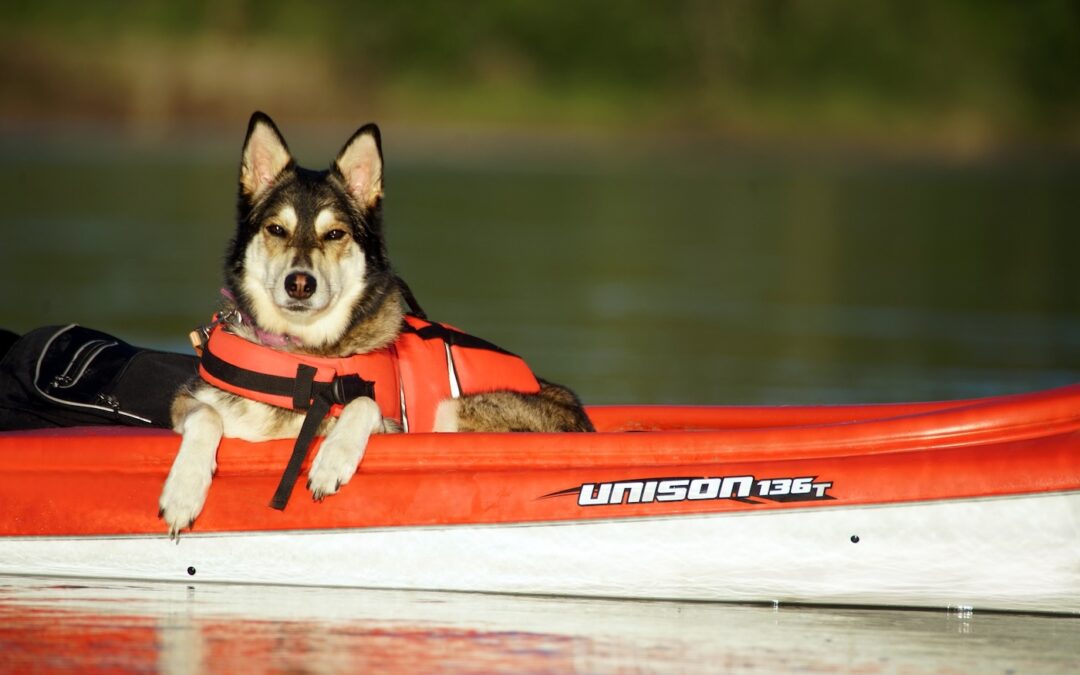
The allure of open water is undeniable, and for many, sharing that experience with our beloved pets seems like a natural extension of family adventures. Although Sunset Marina does not allow animals of any kind on our facility grounds, we realize some boaters on Dale Hollow Lake who may not be guests of Sunset choose to take their pets with them.
Please remember that boating with pets requires meticulous planning and a deep understanding of potential hazards to ensure the safety and well-being of our furry companions. While the image of a dog joyfully peering over the bow or a cat calmly observing the scenery is appealing, the realities of boating present unique challenges.
Understanding the Dangers
One of the most significant risks is drowning. Unlike humans, many pets are not natural swimmers, and even those that are can quickly become exhausted in open water. Strong currents, unexpected waves, and the inability to easily re-board the vessel can lead to tragic outcomes. Heatstroke is another critical concern. The lack of shade and the reflective heat from the water and boat surfaces can rapidly elevate a pet’s body temperature, leading to severe health complications. Furthermore, exposure to prolonged sunlight can cause sunburn, particularly in pets with light-colored fur or thin coats.
Dehydration is also a common issue. Pets can quickly become dehydrated on a boat, especially if they are panting excessively due to heat or anxiety. The lack of readily available fresh water can exacerbate this problem. Additionally, the motion of the boat can cause motion sickness, leading to nausea, vomiting, and discomfort. Finally, the open environment of a boat presents the risk of accidental falls or jumps overboard, and the presence of sharp objects or fishing gear can lead to injuries.
Prioritizing Safety Measures
To mitigate these risks, several safety measures are essential. First and foremost, a properly fitted pet life vest is non-negotiable. It should be designed specifically for pets, with a sturdy handle for easy retrieval in case of an emergency. Before embarking on any boating trip, acclimate your pet to the life vest in a familiar environment, ensuring they are comfortable wearing it.
Providing ample shade is crucial. A canopy or umbrella can offer refuge from the sun’s intense rays. Ensure your pet has access to fresh, cool water at all times. Consider using a spill-proof water bowl to prevent messes and ensure a constant supply. Regularly monitor your pet for signs of dehydration, such as excessive panting, lethargy, or dry gums.
Acclimatizing your pet to the boat is another vital step. Before setting sail, allow your pet to explore the boat in a stationary setting, familiarizing them with the sounds, smells, and movements. This can help reduce anxiety and prevent panic during the voyage. Short, controlled outings can gradually build their confidence and comfort level.
Create a designated safe zone on the boat where your pet can retreat when needed. This should be a shaded, secure area with comfortable bedding. Secure all loose items and sharp objects to prevent injuries. Consider using a pet carrier or harness to keep your pet safely contained, especially during rough waters or when navigating busy marinas.
Additional Considerations
Consult your veterinarian before taking your pet on a boating trip. They can provide valuable advice on your pet’s suitability for boating, recommend anti-nausea medication if needed, and offer guidance on managing any pre-existing health conditions. Regularly check your pet’s paws for signs of injury from hot surfaces or rough textures.
Be mindful of the weather forecast and avoid boating during extreme heat or storms. Always have a comprehensive first-aid kit on board, including pet-specific supplies. Inform yourself regarding local boating regulations and any pet-specific rules.
Boating with pets can be a rewarding experience when approached with careful planning and a strong emphasis on safety. By understanding the potential dangers and implementing appropriate precautions, you can ensure a memorable and secure adventure for both you and your furry companion. The key is to prioritize their well-being, ensuring they are comfortable, safe, and protected throughout the journey.